Featured
Table of Contents
Eye Movement Desensitization and Reprocessing (EMDR) has transformed trauma treatment considering that Francine Shapiro developed the approach in the late 1980s. For therapists seeking to expand their scientific toolkit with evidence-based trauma interventions, high quality EMDR training comes to be a vital financial investment in both expert development and customer results. Mind Based EMDR uses an organized path through basic certification, advanced expertise, and recurring assessment that resolves the full range of trauma-informed method.
Comprehending EMDR Basic Training Needs
EMDR standard training acts as the foundation for incorporating this restorative method into professional method. The typical training design contains roughly 40-50 hours of guideline split between didactic learning and monitored useful application. Mind Based EMDR structures their basic training to satisfy EMDRIA (EMDR International Association) standards, making certain participants receive detailed protection of the eight-phase protocol that specifies EMDR therapy.
The first training components concentrate on the Adaptive Data processing design, which develops the academic backbone of EMDR. Clinicians find out exactly how terrible memories end up being maladaptively saved in neural networks and how bilateral excitement facilitates the mind's all-natural recovery procedures. This neurobiological structure identifies EMDR from traditional talk treatment approaches and gives practitioners with a clear reasoning for treatment procedures.
Hands-on method comprises a considerable portion of standard training. Individuals participate in role-playing workouts where they alternative between specialist and client roles, experiencing the EMDR procedure from both viewpoints. This experiential part verifies very useful for creating the nuanced timing and therapeutic existence required for effective EMDR delivery. Brain Based EMDR highlights this functional application, recognizing that conceptual understanding alone does not equate to medical competence.
Progressing Beyond Fundamentals: Specialized EMDR Educating
Advanced EMDR training addresses complex scientific discussions that extend beyond single-incident trauma. Therapists collaborating with dissociative problems, complicated PTSD, or attachment trauma require specific understanding and changed protocols. Mind Based EMDR's innovative training programs look into these challenging scientific circumstances, giving structures for attending to structural dissociation, ego state job, and developing injury.
The advanced curriculum generally explores current protocol advancements including the Flash Strategy, the Reverse Method for excessively obstructed processing, and the Inverted Procedure for progressive processing. These specialized approaches broaden the specialist's ability to adapt EMDR for clients who don't respond efficiently to standard procedures. Understanding when and how to customize the fundamental method needs both theoretical expertise and monitored experience.
Advanced training also addresses source development and installment methods that reinforce customer stabilization before injury handling. The Source Growth and Installment (RDI) protocol and other preparatory interventions guarantee clients possess appropriate affect policy ability before involving stressful product. Mind Based EMDR integrates these stabilization approaches throughout their training continuum, stressing security and customer readiness as extremely important factors to consider.
The Critical Duty of EMDR Assessment
EMDRIA accreditation calls for 20 hours of examination adhering to fundamental training, mirroring the specialist agreement that monitored technique confirms vital for qualified EMDR shipment. EMDR appointment teams provide structured possibilities for clinicians to present cases, receive responses, and fine-tune their restorative strategy under expert assistance. Brain Based EMDR offers both individual and team appointment alternatives that accomplish certification requirements while fostering recurring specialist growth.
EMDR Certification ConsultationAppointment addresses the unpreventable difficulties that arise when using EMDR methods to real-world clinical intricacy. Professional help therapists navigate obstructed handling, handle abreactions, and adjust methods for details client presentations. This directed analytic increases skill development and prevents the entrenchment of inefficient patterns that can happen with not being watched technique.
Beyond accreditation demands, many knowledgeable EMDR therapists preserve recurring consultation partnerships throughout their careers. The examination process offers accountability, fresh perspectives on tough cases, and exposure to advancing ideal practices within the EMDR community. Mind Based EMDR's appointment model emphasizes joint knowing, creating a supportive atmosphere where therapists can freely review medical dilemmas without judgment.
Constructing a Trauma-Informed Therapeutic Foundation
Efficient EMDR method calls for greater than method memorization-- it requires a detailed trauma-informed method that informs every element of therapeutic involvement. Trauma-informed training for therapists addresses how distressing experiences form client discussion, partnership patterns, and treatment procedure. Brain Based EMDR incorporates trauma-informed principles throughout their training educational program, acknowledging that technical efficiency without injury sensitivity limitations healing effectiveness.
Trauma-informed treatment begins with understanding how injury influences the nerve system and shapes protective adaptations. Therapists find out to identify injury responses consisting of hypervigilance, dissociation, and hyperarousal as flexible survival systems instead of pathological signs. This reframing fundamentally changes the restorative relationship from a problem-focused position to a strengths-based gratitude of customer durability.
The training emphasizes creating physical and mental safety within the restorative environment. Trauma survivors often experience the treatment space itself as potentially threatening, requiring thoughtful attention to seating arrangements, illumination, personal privacy, and predictability. Brain Based EMDR teaches experts to work together with customers in developing safety and security methods and respecting freedom throughout the therapy process.
Selecting High Quality EMDR Training Programs
The spreading of EMDR training alternatives produces both opportunities and challenges for therapists looking for accreditation. Quality training programs differentiate themselves through EMDRIA authorization, experienced trainers with substantial professional backgrounds, and thorough coverage of both procedure technicians and academic structures. Brain Based EMDR's training framework shows existing finest methods in adult discovering, integrating lecture, presentation, supervised technique, and assessment in developmentally suitable sequences.
Trainer knowledge dramatically affects training quality and individual results. Effective EMDR trainers possess not only technical proficiency however likewise the capacity to produce mentally safe understanding settings where participants can exercise susceptible skill advancement. Brain Based EMDR's fitness instructors bring considerable clinical experience treating diverse trauma discussions, supplying students with direct exposure to real-world case examples that illuminate procedure application across different client populaces.
The training format-- whether extensive weekend break workshops, prolonged once a week sessions, or crossbreed online-in-person versions-- influences finding out retention and ability development. Research on grown-up learning recommends spaced experiment possibilities for between-session application returns remarkable outcomes compared to pressed extensive layouts. Mind Based EMDR offers flexible training layouts that accommodate varied discovering preferences while preserving strenuous requirements for medical skills.
The Financial Investment in EMDR Training: Specialist and Client Outcomes

EMDR Certification Consultation
EMDR training stands for a considerable financial investment of time, power, and monetary resources. Standard training expenses generally range from $1,500 to $3,000, with additional expenditures for consultation, progressed training, and qualification fees. The return on this investment manifests in broadened clinical capabilities, enhanced customer outcomes, and typically raised method income as trauma-specialized solutions command premium reimbursement prices.
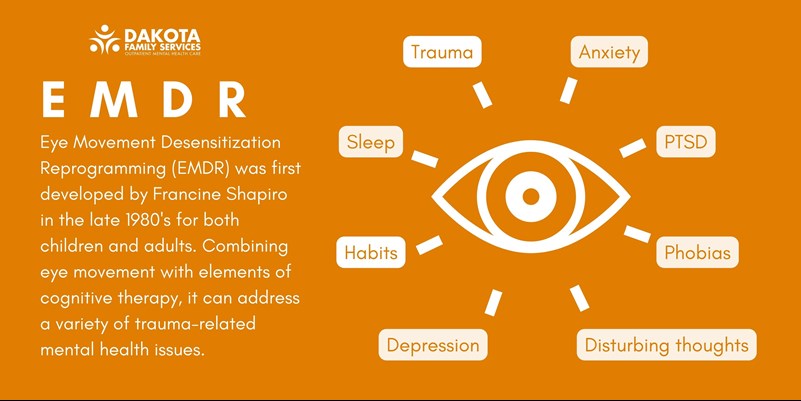
From a customer result viewpoint, EMDR regularly demonstrates premium efficacy for PTSD therapy compared to typical restorative techniques. Meta-analyses program EMDR generates medically significant symptom reduction in fewer sessions than cognitive-behavioral treatment, equating to minimized suffering and faster recovery for trauma survivors. Therapists educated in EMDR can offer customers evidence-based therapy that deals with injury at the neurobiological degree, essentially solving traumatic memories as opposed to just taking care of signs.
Brain Based EMDR's thorough training path-- from fundamental certification via innovative expertise and recurring examination-- provides therapists with the knowledge, skills, and support needed for confident, competent injury treatment. Their emphasis on neurobiological foundations, trauma-informed technique, and sensible application creates clinicians qualified of adapting EMDR methods to varied discussions while maintaining fidelity to the core methodology that makes EMDR distinctively reliable for injury resolution.

Latest Posts
Dreams within Insight-Oriented Treatment for Child therapy
Creating New Patterns of Intergenerational Trauma in Your Family
Addressing Binge-Restrict Cycles with Reiki in Lynnwood, WA